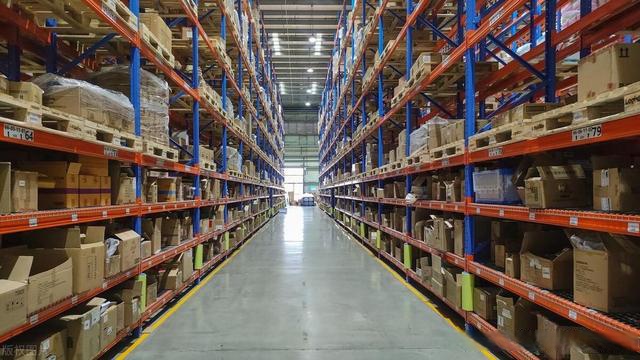


O gerenciamento eficaz do estoque é um dos principais fatores que determinam o sucesso de qualquer negócio de comércio eletrônico, e isso é especialmente verdadeiro no comércio eletrônico internacional. Gerenciar o estoque em várias regiões e lidar com remessas internacionais, tarifas e variações na demanda dos clientes pode rapidamente se tornar uma tarefa árdua sem a estratégia certa. Ao aproveitar as técnicas inteligentes de gerenciamento de estoque, as empresas de comércio eletrônico internacional podem otimizar as operações, reduzir os custos e maximizar os lucros. Neste artigo, exploraremos estratégias para aprimorar o gerenciamento de estoque no comércio eletrônico internacional, ajudando-o a otimizar suas operações e aumentar a lucratividade.
Por que o gerenciamento de estoque é fundamental para o comércio eletrônico internacional
No comércio eletrônico internacional, as empresas enfrentam desafios únicos quando se trata de gerenciamento de estoque, incluindo:
- Atrasos nas remessas internacionais: Longos prazos de remessa podem levar à falta de estoque e à insatisfação do cliente.
- Flutuações cambiais: A alteração das taxas de câmbio pode afetar a lucratividade das compras de estoque.
- Demanda de mercado diversificada: A demanda dos clientes varia de acordo com a região, e uma avaliação incorreta da demanda pode resultar em excesso ou falta de estoque.
O gerenciamento inteligente de estoque é essencial para garantir que você tenha os produtos certos em estoque no momento certo e, ao mesmo tempo, minimizar os custos relacionados ao excesso de estoque e à logística internacional. Ao usar estratégias eficazes de gerenciamento de estoque, você pode manter os custos baixos, melhorar os prazos de entrega e aumentar a satisfação do cliente.
Estratégias inteligentes de gerenciamento de estoque para comércio eletrônico internacional
- Implementar o rastreamento de estoque em tempo real
O rastreamento de estoque em tempo real é um elemento crucial do gerenciamento eficiente de estoque, especialmente no comércio eletrônico internacional, em que os níveis de estoque podem mudar rapidamente devido à demanda internacional e às complexidades da cadeia de suprimentos.
- Software de gerenciamento de estoque: Use sistemas avançados de gerenciamento de estoque (IMS), como TradeGecko, NetSuite ou Zoho Inventory, para rastrear os níveis de estoque em tempo real. Esses sistemas podem ajudá-lo a monitorar os níveis de estoque em diferentes depósitos, acompanhar as tendências de vendas e gerenciar os reabastecimentos.
- Leitura de código de barras e RFID: Implemente sistemas de leitura de código de barras ou RFID (identificação por radiofrequência) para rastrear o estoque com eficiência. Isso reduz o risco de erro humano e garante que os dados do seu estoque sejam precisos e atualizados.
- Sistemas integrados: Integre seu software de gerenciamento de estoque com sua plataforma de comércio eletrônico para otimizar o fluxo de dados entre o site e o estoque. Isso garante que os clientes vejam a disponibilidade exata do estoque em tempo real, evitando a venda de itens fora de estoque.
O rastreamento em tempo real aumenta a precisão do seu inventário e permite que você tome melhores decisões de compra.
- Use a previsão de demanda orientada por dados
A previsão de demanda é um dos aspectos mais importantes do gerenciamento de estoque. Compreender os padrões de demanda permite que você tome decisões mais informadas sobre quais produtos estocar, quanto pedir e quando reabastecer.
- Dados históricos de vendas: Analise os dados históricos de vendas para identificar padrões e prever a demanda futura. Use ferramentas como o Google Analytics ou recursos analíticos integrados em sua plataforma de comércio eletrônico para analisar tendências de vendas anteriores e ajustar o estoque de acordo.
- Sazonalidade: Considere a sazonalidade dos produtos, principalmente no comércio eletrônico internacional, em que os feriados e eventos podem variar de país para país. Por exemplo, o Natal e o Ano Novo são feriados reconhecidos mundialmente, mas outros eventos, como o Ano Novo Lunar na Ásia ou o Diwali na Índia, exigem um gerenciamento de estoque personalizado para atender à demanda.
- Tendências de mercado e fatores externos: Fique de olho nas tendências do mercado, nas preferências dos clientes e em fatores externos, como a situação econômica ou eventos globais (por exemplo, pandemias ou desastres naturais) que possam influenciar a demanda do produto.
Ao prever a demanda com mais precisão, você pode evitar rupturas de estoque e excesso de estoque, garantindo que você tenha os produtos certos disponíveis quando os clientes precisarem deles.
- Aproveite vários armazéns e centros de processamento de pedidos
O gerenciamento do estoque em várias regiões ou países requer planejamento estratégico e o uso de armazéns locais e centros de atendimento para reduzir os tempos e os custos de remessa.
- Logística de terceiros (3PL): Faça parcerias com provedores 3PL para lidar com armazenamento, atendimento e remessa internacional. Isso permite que você armazene o estoque mais próximo de seus mercados-alvo, reduzindo os tempos e os custos de remessa. Por exemplo, usar um provedor 3PL na UE pode ajudá-lo a alcançar os clientes europeus com mais eficiência.
- Distribuição regional: Considere a possibilidade de estabelecer ou fazer parcerias com centros de distribuição regionais para atender a mercados específicos de forma mais rápida e econômica. Por exemplo, um depósito na América do Norte pode atender aos clientes dos EUA e do Canadá, enquanto outro na Ásia pode atender aos mercados asiáticos.
- Balanceamento de estoque: Ao utilizar vários centros de atendimento, você pode otimizar a distribuição do estoque. Por exemplo, se a demanda por um produto for maior na Europa do que na América do Norte, você poderá transferir o estoque para o depósito europeu para atender à demanda mais rapidamente e reduzir os custos de remessa.
Ter armazéns e centros de atendimento estrategicamente posicionados garante tempos de entrega mais rápidos e despesas de remessa internacional reduzidas, o que aumenta a satisfação do cliente.
- Otimize sua cadeia de suprimentos com automação
A automação é uma ferramenta poderosa para simplificar a cadeia de suprimentos e o gerenciamento de estoque, principalmente no contexto do comércio eletrônico internacional. Ao automatizar tarefas repetitivas, você pode aumentar a eficiência, reduzir o erro humano e diminuir os custos operacionais.
- Atendimento automatizado de pedidos: Use sistemas automatizados para selecionar, embalar e enviar pedidos de seu depósito. A automação reduz a necessidade de trabalho manual e acelera o processo de atendimento, levando a tempos de envio mais rápidos e melhor controle de estoque.
- Reabastecimento automatizado: Configure sistemas de reabastecimento automatizado que acionem pedidos de reabastecimento quando os níveis de estoque caírem abaixo de um determinado limite. Isso garante que você nunca fique sem estoque e pode evitar rupturas de estoque, especialmente durante períodos de alta demanda.
- Visibilidade da cadeia de suprimentos: Use ferramentas de gerenciamento da cadeia de suprimentos que ofereçam rastreamento em tempo real dos níveis de estoque, status de remessa e desempenho do fornecedor. Essa visibilidade o ajuda a tomar decisões mais informadas e a otimizar suas operações.
Ao automatizar partes importantes do gerenciamento de estoque e da cadeia de suprimentos, é possível aumentar a eficiência operacional e manter os custos sob controle.
- Monitore e minimize os custos de manutenção
Os custos de retenção - como taxas de armazenamento, seguro e capital imobilizado em mercadorias não vendidas - podem ser uma despesa significativa no comércio eletrônico internacional. Minimizar os custos de retenção é essencial para aumentar a lucratividade.
- Otimizar o armazenamento: Utilize o espaço do depósito de forma mais eficiente organizando o estoque com base na velocidade de vendas e nas previsões de demanda. Os produtos de movimentação rápida devem ser armazenados em áreas de fácil acesso para acelerar o processo de separação, enquanto os produtos de movimentação lenta podem ser armazenados em espaços menos proeminentes.
- Inventário Just-in-Time (JIT): Implemente uma estratégia de estoque Just-in-Time para manter os níveis de estoque enxutos. Essa estratégia garante que você armazene apenas produtos suficientes para atender à demanda sem manter estoque em excesso, o que ajuda a reduzir os custos de armazenamento.
- Taxa de rotatividade de estoque: Acompanhe a taxa de rotatividade de seu estoque para avaliar a rapidez com que seus produtos estão sendo vendidos. Quanto maior a taxa de rotatividade, melhor. Uma baixa taxa de rotatividade indica que você pode estar mantendo um estoque excessivo ou que os produtos não estão sendo vendidos como esperado.
Ao manter os custos de manutenção baixos, você pode aumentar suas margens de lucro e reinvestir os custos economizados no crescimento de seus negócios.
Conclusão
O gerenciamento eficaz do estoque é um fator essencial para o sucesso do comércio eletrônico internacional. Ao implementar estratégias como rastreamento de estoque em tempo real, previsão de demanda, uso de vários depósitos, automatização das cadeias de suprimentos e minimização dos custos de retenção, as empresas podem otimizar suas operações e maximizar os lucros.
O gerenciamento inteligente de estoque não só ajuda a atender à demanda dos clientes no prazo, mas também reduz os custos, melhora a eficiência e aumenta a lucratividade. Ao adotar as estratégias de estoque corretas, as empresas de comércio eletrônico internacionais podem escalar com sucesso, aumentar a satisfação do cliente e permanecer competitivas no mercado global.