
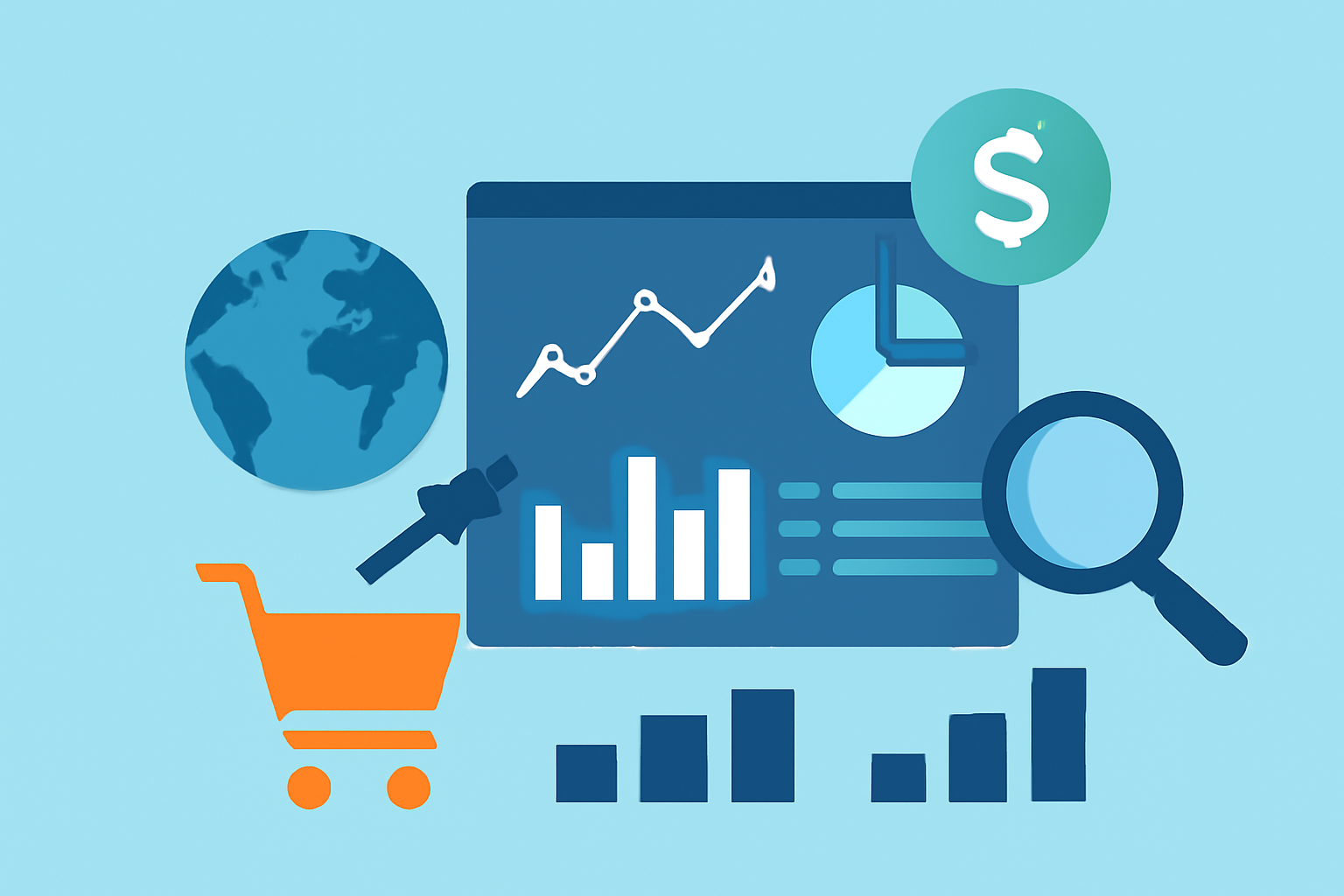
No mundo altamente competitivo do comércio eletrônico internacional, a análise de dados desempenha um papel crucial na condução da tomada de decisões, no aprimoramento das operações e na melhoria das experiências dos clientes. Com acesso a grandes quantidades de dados, as empresas podem obter insights valiosos que lhes permitem otimizar as estratégias de marketing, simplificar o gerenciamento de estoque e adaptar as ofertas de produtos aos mercados globais. Este artigo explorará como o aproveitamento da análise de dados pode dar à sua empresa de comércio eletrônico internacional uma vantagem competitiva e promover o crescimento a longo prazo.
Por que a análise de dados é essencial para o comércio eletrônico internacional
Em um ambiente de comércio eletrônico internacional, as empresas enfrentam desafios únicos, incluindo:
- Condições de mercado diversificadas: Diferentes países têm diferentes comportamentos de consumo, regulamentações e condições econômicas.
- Logística complexa: O gerenciamento de remessas, tarifas e alfândegas internacionais pode ser desgastante se não houver dados para embasar suas decisões.
- Flutuações cambiais: As taxas de câmbio podem afetar significativamente as margens de lucro e as estratégias de preços.
A análise de dados permite que as empresas tomem decisões informadas nessas áreas, fornecendo insights acionáveis sobre o comportamento do consumidor, as tendências do mercado e a eficiência operacional. Ao aproveitar o poder dos dados, as empresas podem identificar oportunidades, reduzir riscos e melhorar continuamente suas operações de comércio eletrônico internacional.
Principais áreas em que a análise de dados pode impulsionar o sucesso do comércio eletrônico
- Insights e personalização do cliente
A análise de dados ajuda você a entender as preferências, os hábitos de compra e os pontos problemáticos de seus clientes. Esse conhecimento permite que você crie experiências personalizadas que aumentam a satisfação e a fidelidade do cliente. Veja como você pode usar a análise de dados para obter insights sobre os clientes:
- Segmentação: Analise os dados demográficos, os comportamentos de compra e os interesses dos clientes para segmentar seu público. Isso permite que você adapte as campanhas de marketing e as recomendações de produtos a grupos específicos de clientes.
- Análise comportamental: Acompanhe como os clientes interagem com seu site, quais produtos eles visualizam e onde abandonam o carrinho de compras. Esses dados o ajudam a otimizar a experiência do usuário e a aumentar as conversões.
- Análise preditiva: Use dados históricos para prever tendências futuras, como, por exemplo, quais produtos serão demandados em diferentes regiões ou durante temporadas específicas. Isso permite que você ajuste proativamente seu estoque e seus esforços de marketing.
Ao aproveitar os dados dos clientes, você pode oferecer recomendações personalizadas, descontos e promoções sob medida que repercutem entre os clientes internacionais, levando a um aumento nas vendas e na retenção de clientes.
- Otimização das estratégias de preços
No comércio eletrônico internacional, as estratégias de preços são mais complexas devido a fatores como taxas de câmbio, custos de remessa e condições do mercado local. A análise de dados permite que você:
- Precificação dinâmica: Ajuste os preços em tempo real com base na demanda do mercado, nos preços dos concorrentes e nas flutuações cambiais. As ferramentas de precificação dinâmica podem ajudá-lo a otimizar os preços para diferentes mercados, mantendo a competitividade.
- Análise de sensibilidade de preço: Analise como as mudanças de preço afetam as decisões de compra dos clientes em várias regiões. Esses dados o ajudam a identificar estratégias de preços ideais que maximizam as vendas e as margens de lucro.
- Comparação de mercado: Use dados para comparar seus preços com os dos concorrentes locais em diferentes regiões. Isso garante que seus preços permaneçam competitivos sem sacrificar a lucratividade.
Com a análise de dados, você pode implementar uma estratégia dinâmica de preços que maximize a receita e atenda a diversos mercados globais.
- Otimização da cadeia de suprimentos
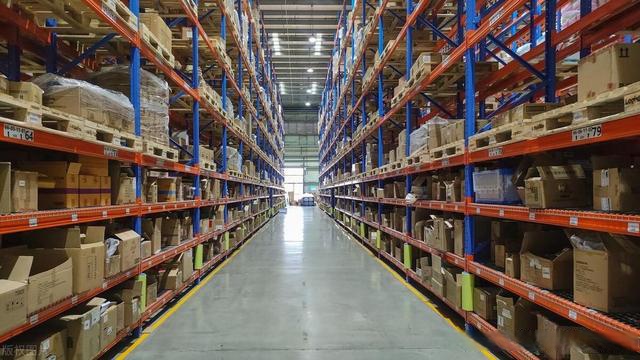
A análise de dados também desempenha um papel fundamental na otimização das operações da cadeia de suprimentos, o que é especialmente importante no comércio eletrônico internacional. Quanto mais eficiente for o gerenciamento de sua cadeia de suprimentos, menores serão os custos operacionais e mais rápida será a entrega dos produtos aos clientes. Veja como:
- Gerenciamento de inventário: Use dados para prever a demanda, identificar tendências e rastrear os níveis de estoque. Isso permite que você faça pedidos de produtos com antecedência, minimizando o risco de falta ou excesso de estoque.
- Desempenho do fornecedor: Analise os dados do fornecedor para avaliar os prazos de entrega, os problemas de qualidade e a relação custo-benefício. Isso o ajuda a identificar os fornecedores com melhor desempenho e a tomar decisões baseadas em dados sobre seus parceiros da cadeia de suprimentos.
- Otimização de remessas e logística: Ao analisar dados sobre tempos de remessa, custos e preferências dos clientes, você pode otimizar seus processos de logística. Os dados o ajudam a selecionar as melhores rotas de remessa, negociar melhores taxas com as transportadoras e reduzir os atrasos nas remessas.
A otimização da sua cadeia de suprimentos por meio da análise de dados ajuda a reduzir os custos operacionais, melhorar a disponibilidade dos produtos e atender às expectativas dos clientes com mais eficiência.
- Eficácia da campanha de marketing
A análise de dados é inestimável para medir a eficácia de seus esforços de marketing, garantindo que suas estratégias de marketing internacional sejam impactantes. Veja a seguir como usar os dados para otimizar o marketing:
- Rastreamento de desempenho: Use ferramentas de análise para acompanhar o desempenho de suas campanhas de marketing, como taxas de cliques, taxas de conversão e envolvimento do cliente. Isso o ajuda a entender quais campanhas estão gerando vendas e quais precisam de ajustes.
- Custo de aquisição de clientes (CAC): Calcule quanto custa adquirir um cliente em cada mercado. Isso o ajuda a avaliar a lucratividade de seus esforços de marketing e a identificar áreas para aprimoramento.
- Testes A/B: Use o teste A/B para experimentar diferentes criativos de anúncios, descrições de produtos ou estratégias de preços. A análise de dados permite que você teste variáveis e escolha as opções com melhor desempenho para suas campanhas de marketing.
Ao analisar os dados de marketing, você pode ajustar suas estratégias, melhorar o ROI e garantir que seus esforços de marketing repercutam entre os clientes internacionais.
- Decisões de expansão do mercado global
A análise de dados também apóia decisões estratégicas ao expandir para novos mercados. Antes de entrar em uma nova região, as empresas podem usar dados para avaliar o potencial de sucesso e identificar riscos. Os principais insights incluem:
- Análise da demanda do mercado: Use dados para avaliar a demanda por seus produtos em diferentes regiões. Isso inclui o rastreamento da atividade dos concorrentes, a compreensão do comportamento do consumidor local e a avaliação do tamanho do mercado.
- Insights sobre regulamentação e tributação: Analise as regulamentações, os impostos e as tarifas locais em mercados potenciais. A análise de dados ajuda você a navegar pelos requisitos de conformidade e otimizar as estratégias de preços e cadeia de suprimentos para levar em conta as leis locais.
- Sentimento do cliente: Analise o sentimento do cliente e as tendências da mídia social para entender como seus produtos podem ser recebidos em novas regiões. Isso o ajuda a avaliar a probabilidade de sucesso antes de fazer grandes investimentos.
O uso de insights orientados por dados para a expansão do mercado garante que você esteja tomando decisões informadas e minimiza os riscos associados à entrada em novas regiões.
Ferramentas e tecnologias para aproveitar a análise de dados
Para maximizar os benefícios da análise de dados, as empresas de comércio eletrônico precisam das ferramentas e tecnologias certas. Aqui estão algumas ferramentas essenciais:
- Google Analytics: Uma ferramenta gratuita que fornece insights valiosos sobre o tráfego do site, o comportamento do usuário e as conversões. É ideal para rastrear as jornadas dos clientes e identificar áreas para aprimoramento.
- Sistemas de gerenciamento de relacionamento com o cliente (CRM): Plataformas como Salesforce ou HubSpot armazenam dados de clientes, permitindo que você rastreie interações, segmente seu público e otimize campanhas de marketing.
- Ferramentas de Business Intelligence (BI): Ferramentas como o Tableau ou o Power BI fornecem análises aprofundadas e visualização de dados para ajudá-lo a interpretar conjuntos de dados complexos e tomar decisões de negócios bem informadas.
- Software de previsão de demanda: Softwares como o TradeGecko ou o NetSuite usam dados históricos de vendas para prever a demanda futura, ajudando-o a otimizar o gerenciamento de estoque e as operações da cadeia de suprimentos.
A implementação das ferramentas analíticas corretas ajuda a liberar todo o potencial de seus dados, conduzindo a decisões mais inteligentes e otimizando o desempenho de seus negócios.
Conclusão
A análise de dados é uma ferramenta poderosa que pode ajudar sua empresa de comércio eletrônico internacional a prosperar em um mercado competitivo e global. Ao obter insights sobre o comportamento do cliente, otimizar estratégias de preços, simplificar as operações da cadeia de suprimentos e medir a eficácia do marketing, você pode aumentar a satisfação do cliente e impulsionar o crescimento.
Investir nas ferramentas e estratégias corretas de análise permite que você tome decisões orientadas por dados que posicionam sua empresa para o sucesso no mercado global. Com os dados como guia, você pode continuar a otimizar as operações, aumentar a lucratividade e expandir para novas regiões com confiança.