
Wholesale procurement plays a pivotal role in the profitability and scalability of any business engaged in cross-border e-commerce. For entrepreneurs and business owners looking to optimize their supply chain, bulk purchasing presents an opportunity to reduce costs and increase profit margins. In this article, we’ll take a deep dive into the world of wholesale procurement and explore how bulk purchasing can lower costs and significantly boost profits.
Understanding Wholesale Procurement
Wholesale procurement refers to purchasing goods in large quantities directly from manufacturers or distributors, typically at a discounted rate, with the intention of reselling them at a profit. Unlike retail procurement, where products are bought in small quantities at a higher cost, wholesale procurement allows businesses to buy in bulk and achieve economies of scale. This results in lower unit prices, which can directly impact profitability.
In the context of cross-border e-commerce, wholesale procurement offers several advantages, especially when you’re dealing with international suppliers. By sourcing products in bulk, businesses can streamline their operations and ensure they’re offering competitive pricing to their customers while maintaining healthy profit margins.
How Bulk Purchasing Reduces Costs
- Lower Unit Costs
Bulk purchasing is one of the primary ways to reduce the per-unit cost of products. The more items you purchase, the less you pay for each individual unit. Manufacturers and wholesalers are generally willing to offer significant discounts on bulk orders because they secure large-volume sales. This reduction in unit cost allows businesses to sell products at competitive prices while still keeping their margins intact. For example, purchasing 1,000 units of a product can result in a price reduction per unit when compared to purchasing 100 units. The overall savings can be substantial, enabling businesses to either pass on the savings to customers through lower prices or maintain the savings as profit. - Reduced Shipping Costs
Bulk purchasing doesn’t just lower the cost of the goods themselves but also helps reduce shipping costs. Many international shipping companies offer discounted rates for larger shipments, and you can consolidate orders to reduce the overall shipping cost per unit. Instead of placing frequent smaller orders, bulk purchasing allows businesses to receive a large shipment in one go, saving on transportation costs. Additionally, buying in bulk means fewer orders, which can translate into reduced administrative costs. This results in lower overheads for the business. - Economies of Scale
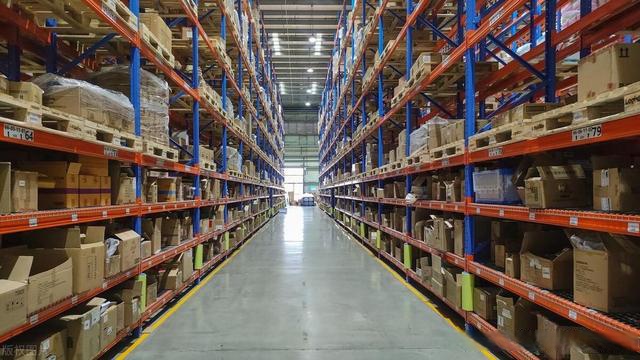
One of the most powerful aspects of wholesale procurement is economies of scale. As you increase the volume of your purchases, your fixed costs, such as warehousing and logistics, become more efficient. For example, your warehouse can store a larger quantity of products at a lower cost per item. As you scale your purchasing, you also benefit from the improved efficiency of operations, which can increase overall profit margins. - Negotiating Power
Suppliers are often more willing to negotiate when they know that large orders are on the table. With bulk purchases, businesses have the leverage to negotiate better payment terms, discounts, and shipping rates. This means more flexibility and better overall deals, improving the cost-effectiveness of the procurement process. Long-term business relationships can also result in loyalty discounts or preferential treatment in future orders.
How Bulk Purchasing Boosts Profits
- Improved Profit Margins
Lower unit costs and reduced shipping expenses directly contribute to better profit margins. With more favorable pricing from suppliers, businesses can either pass on some of the savings to customers or maintain the same selling price while increasing their profit margin. This flexibility is essential for staying competitive in a crowded marketplace. The higher your profit margin, the more room you have to absorb unexpected costs, such as returns or shipping issues, without damaging your bottom line. - Competitive Pricing
Competitive pricing is crucial in attracting and retaining customers. Bulk purchasing gives businesses the ability to offer lower prices without sacrificing profitability. By purchasing products at discounted rates, businesses can sell them at more competitive prices, often making them more appealing to price-sensitive customers. For example, you can reduce the price on a popular item and still make a profit, helping to differentiate your store from competitors. Additionally, offering discounts on bulk items or promotions such as “buy one, get one free” becomes more feasible when your costs are lower. This can drive higher sales volumes, which, in turn, generates more revenue. - Faster Stock Turnover
Having a large inventory on hand ensures that you can quickly respond to demand fluctuations and reduce the risk of stockouts. When products are in high demand, being able to quickly fulfill orders ensures that you don’t miss out on potential sales. Furthermore, a steady flow of sales allows businesses to reorder popular products in bulk, taking advantage of bulk discounts for the next round of purchases. The ability to quickly fulfill orders also leads to improved customer satisfaction, which can result in more repeat business and positive reviews. - Strategic Flexibility
Bulk purchasing allows businesses to offer a wider range of products, expand into new markets, or take advantage of seasonal trends. Having a large inventory enables you to diversify your product offerings without significant additional costs. This strategic flexibility makes it easier to adapt to market shifts, experiment with new products, or respond to seasonal demand spikes, all of which can drive growth and profitability. Moreover, bulk purchasing can be used to strengthen relationships with suppliers. With long-term, high-volume relationships, suppliers are more likely to prioritize your orders, offer exclusive products, or provide you with early access to new items. This can give you an edge over competitors.
Best Practices for Wholesale Procurement
- Plan Your Purchases
The key to successful bulk purchasing is planning ahead. Avoid overstocking or understocking by forecasting demand based on sales trends, market conditions, and seasonal fluctuations. Utilize data analytics or sales forecasting tools to predict how much inventory you’ll need. This will help you avoid the risks of tying up too much capital in unsold stock or running out of popular products. - Vet Suppliers Thoroughly
Always conduct thorough research before committing to a supplier. Look for suppliers with a proven track record of reliability and quality. Check reviews, certifications, and past business dealings to ensure they align with your business values and standards. Remember, reliable suppliers are key to ensuring the quality and timely delivery of bulk orders. - Maintain Cash Flow Management
Bulk purchasing requires a significant upfront investment, so it’s important to manage your cash flow wisely. Don’t purchase more inventory than you can afford to store and sell. Consider financing options, if necessary, and ensure that you have enough liquidity to handle your business’s operational expenses while awaiting product sales. - Monitor Inventory Levels
After making a bulk purchase, actively monitor your inventory levels to prevent overstocking. Overstocking can lead to storage costs, inventory management issues, and potential obsolescence. Utilize inventory management systems to track stock levels, plan reorders, and streamline your supply chain.
Conclusion
Wholesale procurement and bulk purchasing provide businesses with an effective way to reduce costs and increase profitability. By leveraging economies of scale, negotiating better terms, and ensuring competitive pricing, businesses can improve their margins and gain a competitive edge. However, to maximize the benefits of bulk purchasing, it’s essential to carefully plan, choose reliable suppliers, and manage cash flow efficiently.
By following the best practices outlined in this article, businesses can ensure that they’re making the most out of their bulk purchasing efforts. With lower costs and higher profits, wholesale procurement enables businesses to scale effectively and achieve long-term success in the cross-border e-commerce space.