
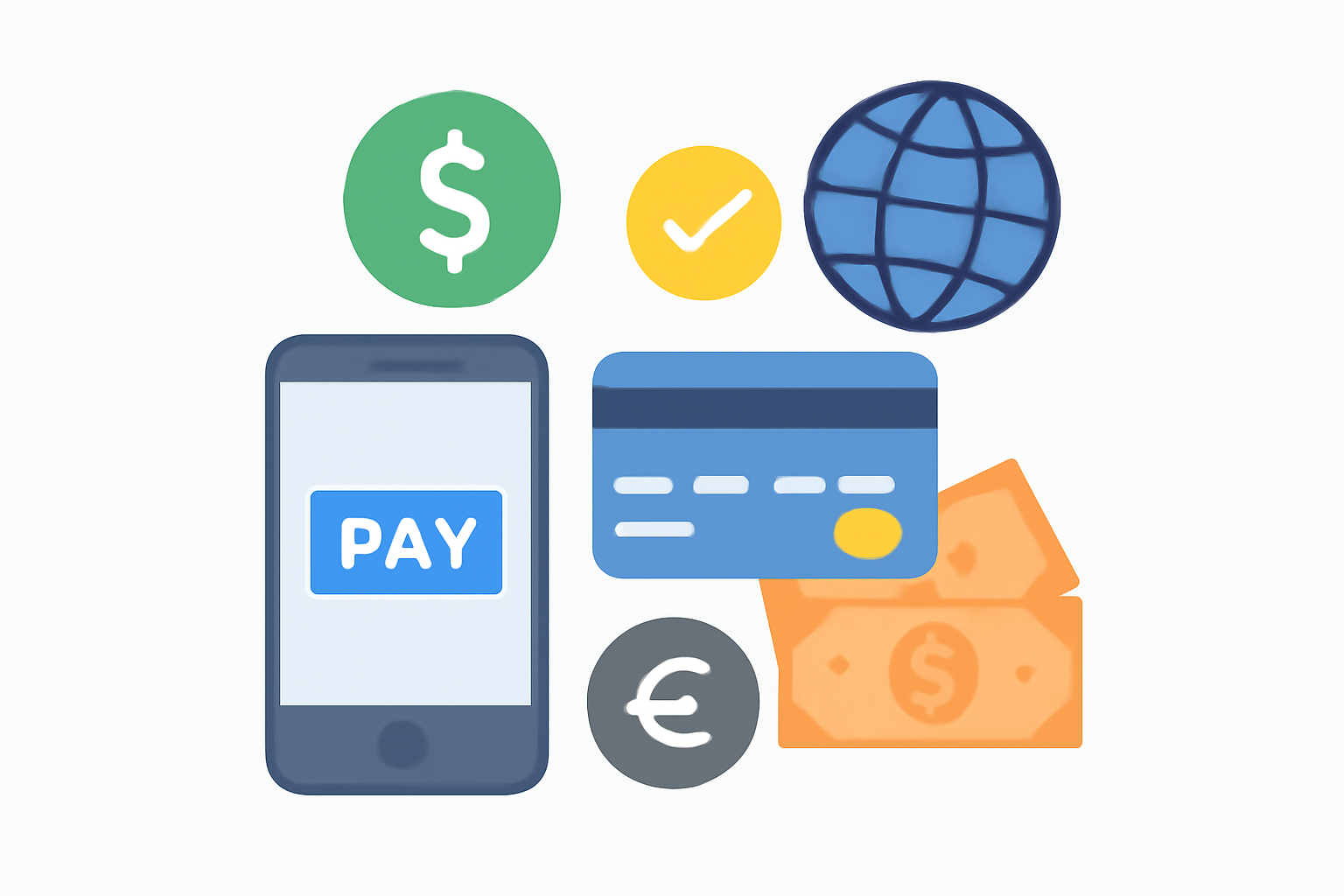
Managing payments is one of the most critical aspects of running a successful cross-border e-commerce business. When selling internationally, businesses face the complexities of multiple currencies, varying payment preferences, and regulatory challenges. Ensuring smooth payment processing is key to enhancing the customer experience, increasing conversion rates, and optimizing cash flow. In this article, we’ll explore best practices for optimizing cross-border e-commerce payments to streamline operations and improve profitability.
Why Payment Optimization Matters in Cross-Border E-Commerce
Cross-border payments can be complex due to factors like currency conversion, payment method preferences, and the potential for fraud. By optimizing your payment process, you can:
- Increase Conversion Rates: A smooth and flexible payment process encourages more customers to complete their purchases, reducing cart abandonment.
- Expand Market Reach: Offering a variety of payment methods tailored to the preferences of international customers can help you access new markets.
- Improve Cash Flow: Efficient payment systems help streamline the financial side of your business, ensuring that funds are collected quickly and securely.
By focusing on optimizing payment solutions, you can improve the overall shopping experience for your international customers while maintaining efficient operations.
Key Strategies for Optimizing Cross-Border E-Commerce Payments
- Offer Multiple Payment Methods
Different regions have varying preferences for payment methods. To cater to international customers, it’s important to offer a range of payment options that meet their needs and increase the likelihood of completed transactions.
- Credit and Debit Cards: These are the most common forms of payment worldwide. Make sure to accept widely-used cards such as Visa, MasterCard, and American Express.
- Local Payment Methods: In certain regions, local payment methods are more popular than global cards. For example, Alipay and WeChat Pay are widely used in China, while iDEAL is a top payment method in the Netherlands. Pay attention to regional preferences and offer the methods that customers are most likely to use.
- Digital Wallets: Offer popular digital wallets like PayPal, Apple Pay, and Google Pay. These are becoming increasingly popular worldwide due to their convenience and security features.
- Bank Transfers and Mobile Payments: In some regions, bank transfers or mobile-based payments (such as M-Pesa in Africa) are commonly used. Offer these payment methods where applicable.
By offering a variety of payment options, you make it easier for international customers to complete their purchases, ultimately boosting your sales and reducing cart abandonment.
- Enable Multi-Currency Payment Processing
Currency conversion is one of the biggest challenges in cross-border payments. Dealing with multiple currencies can lead to confusion and increase the chances of errors. Enabling multi-currency payment processing can simplify the experience for both you and your customers.
- Dynamic Currency Conversion: Allow customers to view prices and make payments in their local currency. This increases transparency and helps customers feel more confident in their purchasing decisions.
- Payment Gateway Integration: Partner with payment gateways like Stripe, PayPal, or Adyen that support multi-currency transactions. These platforms automatically handle currency conversion and ensure that customers are charged the correct amount.
- Currency Conversion Fees: Be mindful of currency conversion fees charged by banks or payment processors. Either absorb these fees into your pricing structure or clearly communicate the costs to your customers.
By enabling multi-currency payments, you can improve the overall experience for international customers and reduce the likelihood of confusion or payment errors.
- Ensure Payment Security and Fraud Prevention
Security is a major concern for international shoppers. Customers are hesitant to provide payment information if they feel that the transaction is not secure. Ensuring that your payment system is secure and that you have measures in place to prevent fraud is essential.
- PCI Compliance: Ensure that your payment gateway is PCI-DSS (Payment Card Industry Data Security Standard) compliant. This guarantees that payment data is handled securely, minimizing the risk of data breaches.
- Two-Factor Authentication (2FA): Implement 2FA for added security, especially for high-value transactions. This requires customers to verify their identity with a second form of identification, such as a code sent to their mobile device.
- Fraud Detection Tools: Use fraud detection tools that help identify suspicious transactions. Payment providers often offer built-in fraud prevention features, such as address verification systems (AVS) or 3D Secure, that help prevent unauthorized transactions.
By ensuring secure payment processing, you can build customer trust, reduce chargebacks, and protect your business from fraudulent activity.
- Simplify the Checkout Process
A complicated or lengthy checkout process can lead to cart abandonment, particularly in cross-border transactions where customers are already dealing with currency conversion and shipping fees. Streamlining the checkout process is crucial to improving conversion rates.
- Guest Checkout: Allow customers to make purchases without creating an account. While customer accounts can provide valuable data, requiring an account for checkout can discourage some customers from completing their purchase.
- One-Click Payments: Enable one-click payments for returning customers. This simplifies the process by storing payment details securely, allowing customers to complete their purchases quickly.
- Clear Shipping and Tax Information: Provide clear, upfront information about shipping costs, delivery times, and any taxes or duties that may apply. Transparency reduces the chances of customers abandoning their carts due to unexpected costs.
By simplifying the checkout process, you make it easier for customers to complete their purchases, improving conversion rates and customer satisfaction.
- Optimize Mobile Payments
With the growing use of smartphones for online shopping, optimizing your payment system for mobile devices is essential. A mobile-friendly payment system allows customers to complete purchases on-the-go, increasing the likelihood of conversions.
- Responsive Design: Ensure that your payment gateway and checkout pages are mobile-friendly. A responsive design adapts to different screen sizes, making it easier for customers to navigate the checkout process on smartphones or tablets.
- Mobile Wallet Integration: Integrate mobile wallet options like Apple Pay, Google Pay, or PayPal for fast, secure payments on mobile devices.
- Easy Form Filling: Simplify form fields on mobile devices by using auto-fill options for address and payment details, reducing the effort required to complete a transaction.
Optimizing for mobile payments ensures that you cater to the growing number of mobile shoppers and makes it easier for them to complete their purchases.
Conclusion
Optimizing cross-border e-commerce payments is crucial to building a successful international business. By offering a variety of payment methods, enabling multi-currency processing, ensuring security, simplifying the checkout process, and optimizing for mobile, you can improve the customer experience and increase conversion rates.
In the competitive global market, the ability to provide smooth, secure, and convenient payment options is essential for attracting and retaining international customers. By implementing these best practices, you can streamline your payment processes, reduce friction, and drive growth in cross-border e-commerce.