
Running a successful cross-border e-commerce business requires efficient operations that can handle the complexities of international trade, from product sourcing to shipping logistics and customer service. Streamlining your operations is not only key to improving efficiency but also crucial to reducing costs, enhancing the customer experience, and boosting profitability. This article will cover practical steps to streamline your cross-border e-commerce operations for maximum success.
Why Operational Efficiency Matters in Cross-Border E-Commerce
Cross-border e-commerce brings numerous benefits, including access to international markets, but it also comes with challenges, such as:
- Logistics Complexity: International shipping involves navigating customs, tariffs, and longer delivery times.
- Currency Exchange: Fluctuating exchange rates can affect pricing and profit margins.
- Cultural and Language Barriers: Catering to diverse customer needs and preferences across different countries can be challenging.
By optimizing and streamlining your operations, you can address these challenges while maintaining a smooth and cost-effective business model. The key to success is integrating efficient processes across your supply chain, sales, marketing, and customer service functions.
Key Areas to Streamline in Cross-Border E-Commerce
- Sourcing and Supplier Relationships
Efficient sourcing is the foundation of any successful e-commerce business. The first step is to find reliable international suppliers who can meet your product quality, delivery timelines, and cost requirements. Here’s how to streamline this process:
- Use Global Sourcing Platforms: Platforms like Alibaba and Global Sources connect you with suppliers from different countries, making it easier to find products at competitive prices.
- Negotiate Bulk Discounts: Leverage bulk purchasing to reduce unit costs and improve profitability. Negotiate better pricing, payment terms, and shipping options with your suppliers.
- Diversify Your Supplier Base: Avoid over-reliance on one supplier by sourcing products from multiple regions. This helps mitigate risks in case of supply disruptions or logistical challenges.
By streamlining your sourcing processes, you can ensure that your products are sourced efficiently, with lower costs and reliable delivery times.
- Inventory Management
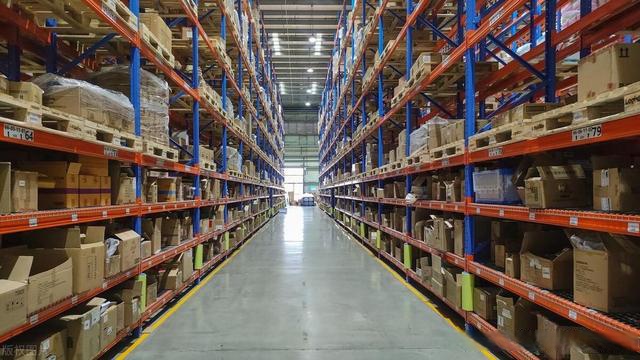
Inventory management is one of the most crucial aspects of e-commerce, especially when dealing with cross-border operations. Poor inventory management can lead to stockouts, excess inventory, or missed sales opportunities. Here’s how to optimize it:
- Use Inventory Management Software: Automating your inventory system ensures that stock levels are updated in real-time, preventing both overstocking and stockouts. Inventory management tools like TradeGecko or NetSuite can provide a comprehensive solution for tracking and managing stock levels across multiple locations.
- Implement Just-in-Time (JIT) Inventory: JIT inventory management ensures that products are purchased only when needed for production or fulfillment. This reduces the need for large warehouses and helps minimize storage costs.
- Predict Demand Accurately: Use data-driven forecasting tools to predict demand based on sales trends and market conditions. This enables you to make informed purchasing decisions and ensure that stock levels align with customer demand.
Optimizing inventory management ensures that you always have the right products in stock, available for timely delivery, without tying up unnecessary capital in unsold inventory.
- Shipping and Logistics Optimization
Shipping and logistics can be one of the most complex and costly aspects of cross-border e-commerce. However, streamlining this process can significantly reduce costs and improve delivery times. Here’s how:
- Use a Third-Party Logistics (3PL) Provider: Partnering with a 3PL provider can help you manage international shipping, warehousing, and fulfillment. 3PL providers offer a variety of services, including bulk storage, packaging, and shipping, and can help you navigate customs and regulatory requirements.
- Optimize Shipping Routes: Work with shipping partners to optimize your delivery routes. Consider using international carriers that offer consolidated shipping or negotiating bulk shipping rates for cost savings.
- Offer Multiple Shipping Options: Provide customers with different shipping options based on their preferences, including expedited, standard, or free shipping. This increases customer satisfaction and can help attract a wider audience.
- Track Shipments in Real-Time: Use tracking systems that allow customers to check their order status. Real-time tracking reduces customer inquiries and enhances the customer experience.
By optimizing your shipping and logistics processes, you can reduce costs, improve delivery times, and increase customer satisfaction.
- Payment Systems and Currency Management
Cross-border e-commerce often involves dealing with multiple currencies and payment systems, which can complicate transactions. Streamlining payment processes ensures smooth international transactions and reduces conversion issues.
- Use Multi-Currency Payment Gateways: Platforms like PayPal, Stripe, or Adyen allow businesses to process payments in different currencies, eliminating the need for manual currency conversion and offering a seamless experience for international customers.
- Offer Local Payment Methods: Depending on the region you’re selling in, offering local payment methods (e.g., Alipay in China or iDEAL in the Netherlands) can make purchasing easier for customers and improve your conversion rates.
- Monitor Currency Fluctuations: Exchange rate fluctuations can affect your profit margins. Use currency management tools or hedging strategies to mitigate the risk of currency fluctuations.
Streamlining your payment systems will allow you to process transactions faster and ensure that your international customers can pay in their preferred currencies.
- Customer Service Efficiency
Customer service plays a crucial role in customer retention, especially in cross-border e-commerce, where customers expect quick responses and personalized support. Here’s how to streamline customer service:
- Use Automated Chatbots: Implement AI-driven chatbots to handle basic inquiries, such as order status, product availability, and return policies. This reduces the workload on your customer service team and ensures quick responses.
- Provide Multi-Language Support: For international customers, providing support in their native language is essential. Use translation tools or hire multilingual support staff to help customers feel more comfortable.
- Centralized Customer Support Platform: Use a centralized customer service platform (like Zendesk or Freshdesk) that allows you to manage all customer interactions across multiple channels, including email, chat, and social media. This improves response times and provides a more cohesive experience.
Efficient customer service systems help retain customers and resolve issues quickly, reducing the risk of negative reviews or returns.
Conclusion
Streamlining your cross-border e-commerce operations is essential for reducing costs, improving customer satisfaction, and boosting profitability. By optimizing sourcing, inventory management, shipping and logistics, payment systems, and customer service, you can create an efficient business that runs smoothly and scales effectively.
Cross-border e-commerce offers immense opportunities, but only businesses with streamlined operations can thrive in this competitive market. Implementing these best practices will give you the tools you need to maximize success and drive long-term growth in your e-commerce business.