
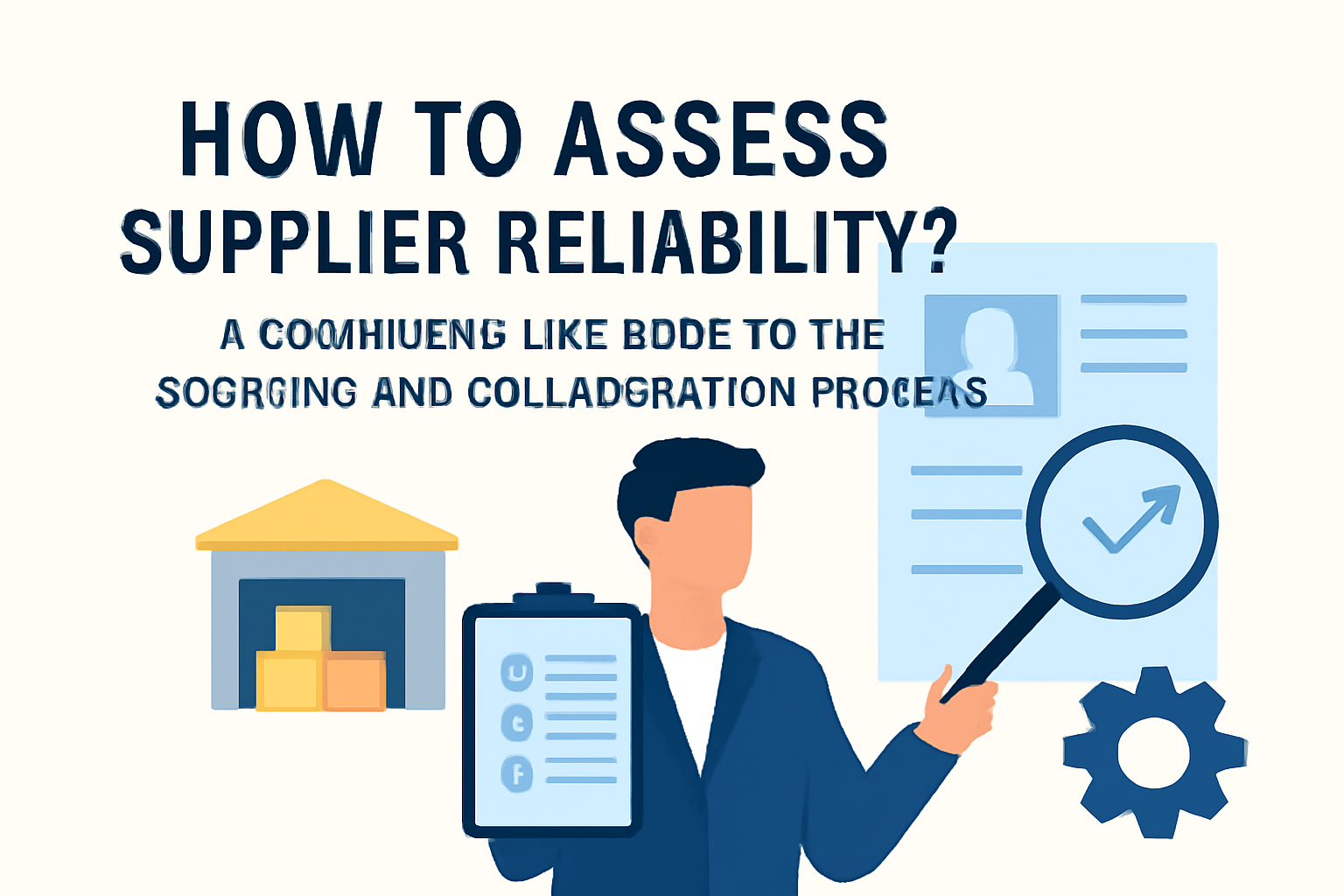
In the world of cross-border e-commerce, a business’s success hinges significantly on its ability to choose reliable suppliers. A trustworthy supplier not only provides quality products but also ensures timely deliveries, transparent communication, and consistency. This article will explore how to assess supplier reliability, focusing on the key elements you need to evaluate when building solid, long-term supplier relationships in the sourcing and collaboration process.
Why Supplier Reliability is Crucial
Reliable suppliers are critical to maintaining smooth operations and ensuring customer satisfaction. When a supplier fails to meet expectations, whether through poor product quality, late deliveries, or lack of communication, the impact can ripple through your entire business, damaging your reputation and bottom line. Here are the key reasons why supplier reliability is vital:
- Product Quality Consistency: Suppliers must consistently deliver high-quality products that meet the agreed standards, which directly affects your business’s credibility and customer satisfaction.
- Timely Deliveries: Delayed shipments can result in stockouts, affecting sales, customer experience, and your ability to fulfill orders on time.
- Transparent Communication: Clear and open communication is essential for addressing problems quickly, ensuring smooth order processing, and building trust.
Given the importance of reliability, it’s essential to establish a systematic approach to evaluate and choose the right suppliers.
How to Assess Supplier Reliability
Assessing supplier reliability requires evaluating several crucial factors. This comprehensive guide will walk you through the process, helping you make informed decisions that contribute to your business’s long-term success.
1. Check the Supplier’s Reputation and Track Record
A supplier’s reputation is often the best indicator of their reliability. You should start by reviewing their history in the market, including their years of operation and industry standing. Here’s how to evaluate this:
- Company Longevity: A supplier with years of experience is more likely to have a stable and reliable business model. Suppliers that have been in business for a long time have weathered various market fluctuations and can offer stability in their services.
- Online Reviews and Testimonials: Check reviews on platforms such as Alibaba, Trustpilot, or Google Reviews. Testimonials and case studies from other businesses provide insight into the supplier’s reliability, product quality, and customer service.
- Certifications and Compliance: Verify whether the supplier holds relevant certifications, such as ISO or industry-specific compliance standards. This ensures they meet established quality standards and regulations, which is particularly important for international trade.
2. Evaluate Product Quality and Consistency
The core of any supplier relationship is product quality. To assess the consistency and reliability of their products, follow these steps:
- Request Samples: Always ask for product samples before committing to large orders. This will allow you to assess the quality of the product firsthand, ensuring it meets your specifications.
- Quality Control Procedures: Inquire about the supplier’s quality control measures. A reliable supplier should have clear protocols in place to inspect and test products before shipment.
- Consistency Across Batches: It’s essential to ensure that the supplier can consistently deliver the same quality across multiple orders. Request production reports or feedback from other buyers to assess product consistency.
3. Test Communication and Responsiveness
Good communication is a cornerstone of supplier reliability. Suppliers should be responsive, transparent, and proactive in their communication. Here’s what to look for:
- Initial Response Time: Start by contacting the supplier with inquiries. Evaluate how quickly they respond, as promptness can indicate reliability.
- Clear and Transparent Communication: Pay attention to how transparent the supplier is about pricing, shipping timelines, and potential issues. A reliable supplier will always be upfront about costs and any possible delays or challenges.
- Ongoing Support: Ensure that the supplier offers clear support channels for future questions, problems, or emergencies. A supplier that is available and responsive will help you solve issues faster and maintain a smooth operation.
4. Assess Shipping and Delivery Performance
On-time delivery is crucial for maintaining a reliable supply chain. To assess this, you should:
- Clarify Lead Times: Ensure that the supplier provides clear timelines for manufacturing and shipping. This should include both production and delivery times, allowing you to plan your inventory and customer orders accordingly.
- Track Record on Timeliness: Ask the supplier for details about their historical delivery performance. A reliable supplier should have a record of meeting delivery deadlines consistently.
- Test with Small Orders: Before placing bulk orders, conduct a trial with a small purchase. This allows you to evaluate the supplier’s ability to meet your expected delivery timelines and handle shipping logistics effectively.
5. Financial Stability of the Supplier
A supplier’s financial health impacts their ability to fulfill orders and meet commitments. Here’s how you can evaluate their financial stability:
- Credit Reports and Financial Statements: Check the supplier’s creditworthiness and financial statements. This information can give you a sense of their ability to handle large orders and manage their finances.
- Signs of Financial Trouble: Be cautious of suppliers who have unclear financial histories, overdue debts, or any public signs of financial instability. Such suppliers could fail to fulfill orders or go out of business unexpectedly.
6. Negotiation of Terms and Pricing Transparency
Reliable suppliers should offer clear pricing structures and be open to negotiation, especially for bulk orders. Here’s how to assess this:
- Payment Terms: Understand the supplier’s payment terms. Many suppliers will ask for an upfront deposit, while others offer net payment terms (e.g., payment due 30 days after delivery). Choose a supplier with payment terms that align with your cash flow.
- Pricing Transparency: Ensure that the supplier provides transparent pricing with no hidden fees. Discuss potential extra charges for things like shipping, packaging, or customs to avoid surprises.
- Discounts for Bulk Orders: Reliable suppliers will offer discounts or better terms for larger orders. They should be willing to negotiate terms, especially if you plan to establish a long-term relationship.
7. Build Long-Term Relationships with Suppliers
Once you’ve found a reliable supplier, the next step is to nurture the relationship for long-term success. Here’s how:
- Consistent Communication: Maintain open lines of communication with your supplier. Regularly checking in with updates, feedback, and future orders helps build trust and transparency.
- Collaborative Problem Solving: If issues arise, address them quickly and collaboratively. Suppliers who are willing to work with you to find solutions are more likely to be reliable in the long term.
- Loyalty and Long-Term Partnerships: As your relationship develops, the supplier may offer better deals, faster delivery times, or exclusive products. Long-term relationships often come with added benefits, such as priority service or discounts.
Conclusion
Assessing supplier reliability is a critical step in ensuring your e-commerce business runs smoothly. A reliable supplier not only helps maintain consistent product quality and timely deliveries but also contributes to your overall business success. By evaluating factors such as reputation, product quality, communication, delivery performance, financial stability, and terms of agreement, you can confidently select suppliers that align with your business goals and values.
Building a strong, trustworthy supplier network is one of the best investments you can make for the future growth of your cross-border e-commerce business. By carefully vetting potential suppliers and nurturing long-term relationships, you can secure a stable and reliable supply chain that will support your business for years to come.