
In the world of cross-border e-commerce, sourcing is the backbone of successful product-based businesses. If you’re new to the game or looking to refine your strategy, understanding what sourcing is and how it can help you find quality products is crucial for your business’s growth. This article will provide you with a comprehensive introduction to sourcing, how it works, and why it’s essential for finding high-quality products in the global market.
What is Sourcing?
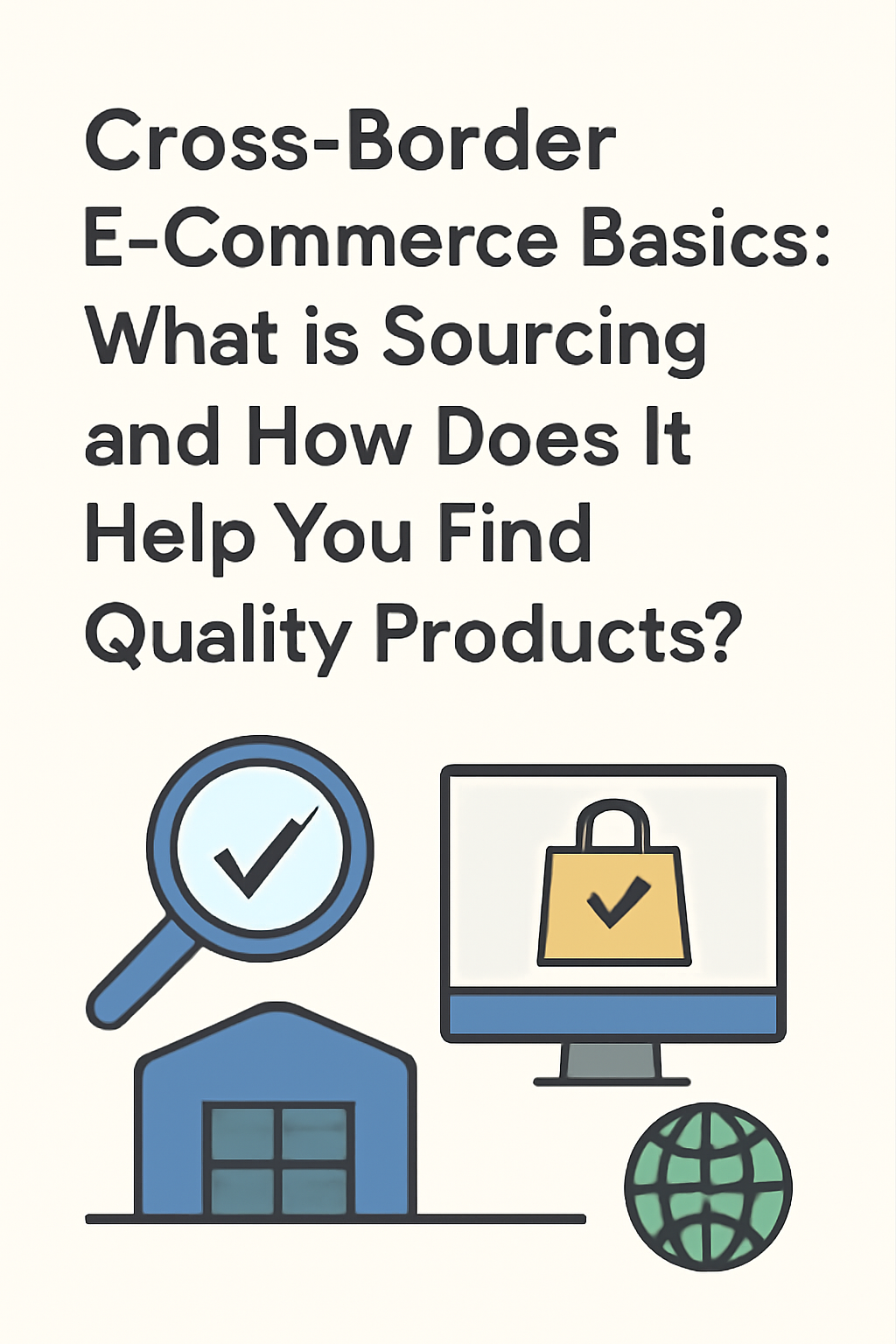
At its core, sourcing refers to the process of identifying, evaluating, and selecting suppliers or manufacturers for the products you want to sell. In the context of cross-border e-commerce, sourcing involves finding products from overseas suppliers or manufacturers and bringing them to your target market. Whether you’re operating as a dropshipper, wholesaler, or engaging in private-label selling, sourcing is the critical first step in building your product catalog.
Sourcing can be broken down into two main types:
- Product Sourcing: The process of finding and purchasing products that you can sell directly to customers.
- Supplier Sourcing: The process of finding suppliers or manufacturers who can produce the products you need.
Effective sourcing ensures that you are choosing products that meet market demand, are of high quality, and are competitively priced. Poor sourcing decisions can lead to unsatisfied customers, product returns, and ultimately a damaged brand reputation.
Why is Sourcing Important in Cross-Border E-Commerce?
- Access to Global Markets and Diverse Products
One of the biggest advantages of sourcing in cross-border e-commerce is the ability to access products from different parts of the world. By sourcing globally, you can expand your product selection and offer unique items that may not be available locally. For example, if you run an online store targeting fashion-conscious buyers, sourcing products from countries like Italy or France could provide your customers with high-end, exclusive items. - Cost-Effectiveness
Sourcing products from overseas suppliers can also help you lower your costs. Countries like China, India, and Vietnam have a competitive manufacturing industry that can offer products at lower prices compared to local suppliers. These cost savings are crucial for maintaining a healthy profit margin, especially in a highly competitive e-commerce environment. However, it’s essential to balance cost with product quality to avoid compromising your brand’s reputation. - Quality Control
High-quality products are vital to maintaining customer satisfaction and ensuring repeat business. Through sourcing, you can carefully vet potential suppliers to ensure they meet your quality standards. With platforms like awwwbuy, you have access to a network of trusted suppliers, helping you avoid the risks of poor-quality products that could negatively affect your brand image.
How Does Sourcing Help You Find Quality Products?
Finding quality products is the ultimate goal of sourcing. Here are some key ways in which sourcing helps you ensure the quality of the products you offer:
- Supplier Vetting and Research
Sourcing allows you to evaluate suppliers based on their history, reviews, and product samples. By doing thorough research, you can ensure that the suppliers you work with produce high-quality items that align with your brand values. A reputable supplier will provide you with clear product specifications, certifications, and samples, allowing you to assess the quality before making large-scale purchases. - Product Sampling
Before committing to a large order, sourcing often involves ordering samples from different suppliers. This gives you the opportunity to physically inspect the products for quality. You can check aspects like durability, design, functionality, and packaging. Product sampling helps you avoid investing in poor-quality products that may lead to dissatisfied customers. - Production Oversight and Communication
By establishing direct communication with your suppliers, you can ensure that production standards are met. Good suppliers are transparent and willing to collaborate with you on any modifications to ensure the products meet your specifications. Additionally, if you work with manufacturers, you can request production updates and perform quality control checks to catch any issues early in the production process. - Feedback and Reviews from Other Sellers
In the world of sourcing, word-of-mouth and seller reviews are invaluable resources. Platforms like awwwbuy allow you to connect with other sellers and ask for recommendations or share experiences. Supplier feedback from other businesses can give you insight into their reliability, product quality, and overall business practices. This can save you a lot of time in the research phase and help you select suppliers who have a proven track record of delivering quality products.
How to Start Sourcing Products for Your E-Commerce Business
- Identify Your Niche and Product Needs
Before you start sourcing products, define your niche and determine which products you want to sell. Consider factors like demand, competition, and target market preferences. Having a clear understanding of what you’re selling will make it easier to identify potential suppliers and manufacturers. - Use Online Sourcing Platforms
Online platforms like awwwbuy simplify the sourcing process by providing access to a wide range of suppliers and manufacturers. These platforms typically offer filtering options, reviews, and ratings, making it easier to find reliable suppliers with quality products. Some platforms even provide services such as dropshipping or bulk purchasing, which can further streamline your e-commerce operations. - Request Quotes and Samples
Once you’ve identified a few potential suppliers, reach out to them for quotes and product samples. Requesting samples is an important part of the sourcing process, as it allows you to assess product quality, compare prices, and build a relationship with the supplier. Don’t hesitate to negotiate the price and terms of the deal to get the best value. - Build Strong Supplier Relationships
Establishing a strong relationship with your suppliers can lead to better pricing, improved quality control, and reliable delivery times. Good communication is key. Ensure you have clear agreements on product specifications, pricing, lead times, and other important terms. Regularly checking in with your suppliers helps maintain a strong working relationship. - Focus on Logistics and Delivery
In cross-border e-commerce, managing logistics and delivery times is crucial for customer satisfaction. When sourcing internationally, make sure you understand the shipping and customs regulations for your target markets. Look for suppliers who offer reliable shipping methods and timely delivery to ensure that your products reach customers without delays.
Conclusion
Sourcing is an essential component of cross-border e-commerce that plays a critical role in finding quality products for your online business. By carefully selecting suppliers, evaluating products, and maintaining clear communication, you can ensure that your products meet the expectations of your customers. Using platforms like awwwbuy to streamline the sourcing process can save you time and reduce the risk of costly mistakes. Ultimately, a well-executed sourcing strategy can help you build a successful, sustainable business with high-quality products that stand out in the competitive world of e-commerce.
If you’re ready to start sourcing for your cross-border e-commerce business, make sure to research, compare, and carefully vet your suppliers to ensure the best quality products at competitive prices. Your customers will thank you for it.