
As the world of e-commerce continues to evolve, businesses are looking to expand their reach beyond local markets to tap into the vast potential of cross-border sales. While the opportunities for growth are immense, scaling your cross-border e-commerce business requires careful planning, investment, and the right strategies. This article will explore effective strategies to scale your business internationally, optimize operations, and increase profitability in the competitive global market.
Why Scaling Cross-Border E-Commerce Matters
Scaling your business internationally opens up new revenue streams, diversifies your customer base, and helps mitigate risks associated with relying solely on a local market. However, scaling comes with challenges, such as managing international logistics, compliance with global tax regulations, and adapting to varying consumer preferences across regions.
- Access to New Markets: Expanding into international markets allows you to tap into larger customer bases, especially in emerging markets with growing middle-class populations.
- Diversification: By entering multiple markets, you reduce the dependency on a single economy and minimize the impact of market fluctuations or downturns in a specific region.
- Increased Revenue Potential: Scaling internationally can significantly increase revenue, especially if your products fulfill a specific demand that is not well-served in the target market.
Successful scaling involves understanding the complexities of global markets and creating an adaptable business strategy to address those challenges.
Key Strategies for Scaling Cross-Border E-Commerce
- Conduct Thorough Market Research
Before diving into new international markets, it’s essential to conduct thorough research to understand the demand, competition, and market dynamics.
- Identify High-Potential Markets: Use data analytics tools to identify which countries or regions have the highest demand for your products. Look for areas with growing e-commerce adoption and purchasing power.
- Understand Local Consumer Behavior: Consumer preferences can vary greatly from region to region. Study local trends, cultural nuances, and buying behaviors to tailor your marketing messages and product offerings.
- Analyze the Competitive Landscape: Research local competitors and global e-commerce platforms to understand the competitive environment. Assess their pricing strategies, product offerings, and customer service to identify areas where you can differentiate.
A comprehensive understanding of each target market allows you to make informed decisions about where to expand and how to tailor your offerings to meet local demand.
- Localize Your Website and User Experience
Localization goes beyond translation; it involves adapting your website and online store to meet the cultural, economic, and legal expectations of each target market.
- Language and Currency: Translate your website into local languages and offer prices in the local currency. This makes it easier for customers to understand product information, pricing, and payment methods.
- Payment Methods: In different regions, customers may prefer different payment methods. Offer popular local payment solutions, such as Alipay in China or PayPal in Europe, to increase conversion rates.
- Customer Support: Provide localized customer service options, including support in local languages, to address customer inquiries and concerns promptly.
By offering a localized website experience, you show customers that you understand their unique preferences and are committed to providing a seamless shopping experience.
- Optimize International Shipping and Fulfillment
Efficient shipping and fulfillment are essential to ensuring customer satisfaction and minimizing costs when scaling your cross-border business.
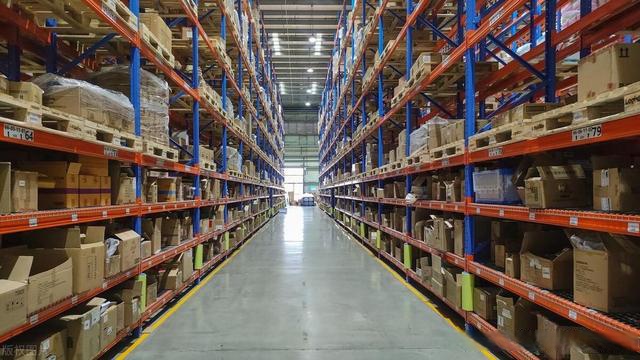
- Use Local Fulfillment Centers: Partner with third-party logistics (3PL) providers or set up fulfillment centers in key regions to reduce shipping time and costs. This allows you to offer faster delivery to international customers and avoid high international shipping fees.
- Offer Multiple Shipping Options: Provide a variety of shipping options, including standard, expedited, and express shipping, to cater to different customer preferences. Offering free or discounted shipping on large orders can incentivize customers to buy more.
- Manage Customs and Import Duties: Understand the customs requirements and duties for each target market. Work with customs brokers and logistics partners to ensure smooth customs clearance and avoid delays at the border.
Optimizing your shipping and fulfillment processes ensures that products reach international customers on time and in good condition, improving customer satisfaction and loyalty.
- Adapt to Local Regulations and Compliance
Navigating the regulatory landscape of different countries is one of the most challenging aspects of cross-border e-commerce. Ensuring compliance with local regulations is essential for avoiding fines and penalties.
- Tax Compliance: Understand the tax regulations in each country you operate in, such as VAT, sales tax, and customs duties. This ensures that you’re charging the correct taxes and remitting them to local authorities.
- Consumer Protection Laws: Each country has its own consumer protection laws, including regulations on refunds, returns, and warranties. Ensure that your policies align with local laws to avoid customer dissatisfaction and legal issues.
- Data Privacy: With increasing concerns about data privacy, make sure your business complies with global data protection laws, such as GDPR in Europe. This involves obtaining customer consent, ensuring data security, and respecting privacy rights.
Adhering to local regulations helps you maintain a positive relationship with customers and regulators while reducing the risk of compliance-related issues.
- Invest in International Marketing
As you expand into new markets, adapting your marketing strategies to local audiences is crucial for building brand awareness and driving sales.
- Localized Advertising Campaigns: Customize your marketing campaigns to reflect the cultural and regional preferences of your target markets. Use local influencers, seasonal trends, and local holidays to make your campaigns more relevant.
- Social Media Marketing: Each country has its preferred social media platforms. In some markets, platforms like WeChat or TikTok may be more popular than Facebook or Instagram. Focus on the platforms most widely used in your target region and engage with customers in their preferred digital spaces.
- SEO and Paid Advertising: Implement region-specific SEO strategies to ensure your website ranks well on local search engines. Invest in paid advertising on local platforms to increase visibility and drive traffic.
Localized marketing campaigns tailored to the cultural preferences of international customers can help drive more conversions and build a loyal customer base.
- Leverage Analytics and Data for Performance Tracking
As you scale your business internationally, tracking performance and measuring the success of your efforts is essential for continuous improvement.
- Key Performance Indicators (KPIs): Set up KPIs to track the success of your expansion efforts. These could include metrics like sales volume, conversion rates, customer acquisition cost, and return on investment (ROI).
- Customer Feedback: Collect feedback from international customers to understand their experience with your products and services. Use this data to improve your offerings and address any concerns.
- Data-Driven Decisions: Use data analytics tools to monitor market trends, customer behavior, and campaign performance. This data can guide your decision-making process and help you identify new opportunities.
By continuously analyzing performance, you can optimize your strategy and make data-driven decisions to improve your cross-border e-commerce operations.
Conclusion
Scaling your cross-border e-commerce business is a complex but rewarding endeavor. By conducting thorough market research, localizing your website and marketing efforts, optimizing shipping and fulfillment, ensuring compliance, and leveraging data analytics, you can create a solid foundation for international growth.
Effective scaling requires strategic planning, investment in the right resources, and a commitment to adapting to the unique needs of global customers. With the right approach, your business can successfully tap into international markets, expand its reach, and achieve sustainable growth in the global e-commerce landscape.